
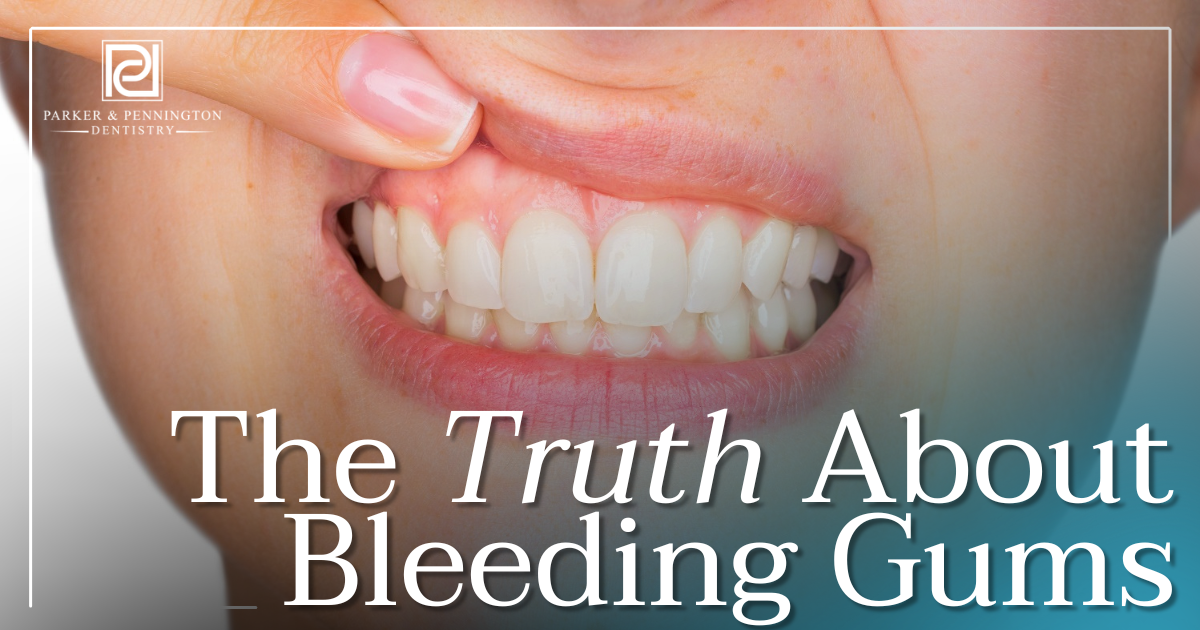
Bleeding Gums: What They Could Be Telling You
Noticing blood when you brush or floss can be surprising and sometimes concerning. While bleeding gums are common, they are not something to ignore. In many cases, bleeding is your body’s way of signaling that your gums need extra attention. Understanding what bleeding gums can mean helps you respond early and protect your long-term oral health.
Bleeding does not automatically indicate a serious problem, but it does suggest that something in the mouth may be out of balance. With the right care and guidance, many causes of bleeding gums are manageable and reversible.
The Most Common Cause: Gum Inflammation
The most frequent reason gums bleed is inflammation caused by plaque buildup along the gumline. Plaque is a sticky film of bacteria that forms naturally on teeth each day. When it is not removed consistently through brushing and flossing, it can irritate the gums.
This early stage of gum disease is called gingivitis. Gums may appear red, puffy, or tender and bleed during brushing or flossing. Gingivitis is often reversible with improved home care and professional cleanings. Addressing it early helps prevent progression to more advanced gum disease.
Bleeding When Flossing: Why It Happens
Some people notice bleeding primarily when they floss and assume flossing is the cause. In reality, flossing often reveals existing inflammation rather than creating it. When gums are healthy, they typically do not bleed with gentle flossing.
If flossing is new or inconsistent, mild bleeding may occur at first. With regular, gentle flossing, gums often become healthier, and bleeding decreases. Consistency is key, and technique matters.
Other Factors That Can Contribute to Bleeding Gums
Bleeding gums can have multiple contributing factors beyond plaque buildup. These may include:
- Inconsistent oral hygiene that allows bacteria to accumulate
- Hormonal changes, such as those during pregnancy, can increase gum sensitivity
- Certain medications that affect gum tissue or blood clotting
- Nutritional deficiencies, especially vitamin C
- Smoking or tobacco use, which impacts gum health and healing
A dental evaluation helps identify which factors may be playing a role so care can be tailored appropriately.
When Bleeding May Signal a Bigger Concern
If bleeding gums are persistent, frequent, or accompanied by other symptoms, they may indicate a more advanced stage of gum disease called periodontitis. At this stage, gums may begin to pull away from the teeth, creating pockets that trap bacteria.
Signs that bleeding gums may need professional attention include:
- Bleeding that continues despite consistent brushing and flossing
- Gum tenderness, swelling, or recession
- Persistent bad breath or a bad taste
- Teeth feeling loose or shifting
Early professional care helps prevent further damage and supports long-term gum and tooth stability.
How Professional Dental Care Helps
Professional cleanings remove plaque and tartar that cannot be eliminated at home. These visits allow dental professionals to evaluate gum health, measure inflammation, and recommend appropriate care.
Depending on findings, treatment may include more frequent cleanings, deep cleaning, or guidance on improving home care techniques. The goal is always to restore gum health as comfortably and effectively as possible.
Listening to What Your Gums Are Saying
Bleeding gums are a sign worth paying attention to, but they are not a reason to panic. In many cases, they are an early indicator that allows you to take action before more serious issues develop. With timely care, healthy habits, and professional support, gum health can often be restored.
Have you noticed some bleeding in your gums? Schedule an appointment with Parker and Pennington Dentistry at our office located in Jacksonville Beach, FL.